

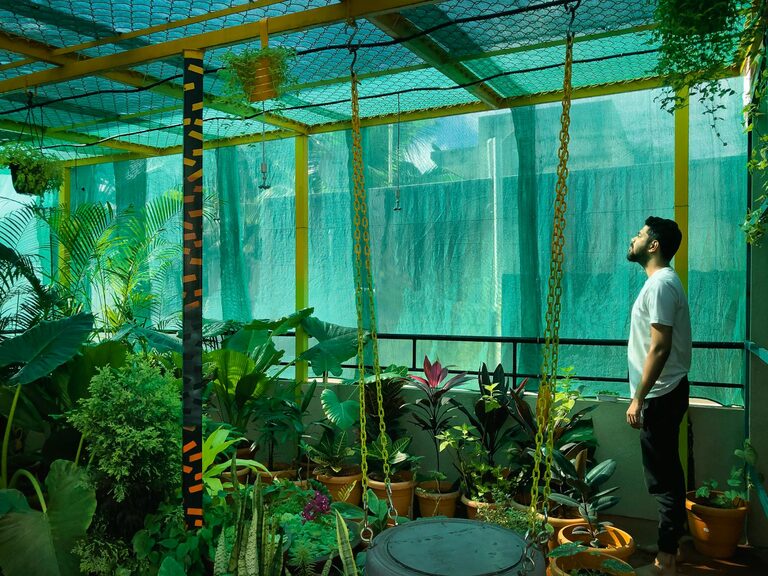
Creating a sustainable and eco-friendly home garden is more than just a trend—it’s a meaningful way to connect with nature, reduce your environmental impact, and grow healthy plants. Whether you have a small balcony or a spacious backyard, there are many simple steps you can take to make your garden greener and more sustainable.
In this post, we’ll explore practical tips to help you establish and maintain an eco-friendly garden that benefits both you and the planet.
Why Choose an Eco-Friendly Garden?
Sustainable gardening promotes biodiversity, conserves water, reduces waste, and minimises chemical use. It supports local wildlife such as bees, butterflies, and birds, all of which contribute to a balanced ecosystem. Plus, growing your own herbs, vegetables, or flowers can provide fresh, organic produce and add beauty to your home.
Planning Your Sustainable Garden
Assess Your Space and Sunlight
Understanding your garden’s unique conditions is essential. Observe how much sunlight different areas receive during the day. This will help determine which plants will thrive best and reduce the need for extra watering or artificial lighting.
Choose Native and Drought-Resistant Plants
Native plants are adapted to your local climate and soil, requiring less water and fewer fertilisers. Drought-resistant varieties can survive dry spells, helping to conserve water. Incorporating a mix of flowering plants, shrubs, and trees attracts helpful pollinators and wildlife.
Soil Health and Composting
Build Healthy Soil Naturally
Healthy soil is the foundation of a sustainable garden. Avoid chemical fertilisers and instead enrich your soil with organic matter like compost, manure, or leaf mould. This improves soil structure, fertility, and water retention.
Start Composting at Home
Composting kitchen scraps, garden waste, and shredded paper creates a rich fertiliser while reducing landfill waste. You can set up a simple compost bin or pile in a corner of your garden. Avoid adding meat or dairy, as they can attract pests.
Water Conservation Techniques
Collect Rainwater
Installing rain barrels or water butts allows you to capture and reuse rainwater for irrigation. Rainwater is free, naturally soft, and often better for plants than tap water.
Use Mulch
Mulching around your plants with organic materials such as bark chips, straw, or leaves helps retain soil moisture, suppress weeds, and regulate temperature. This means less frequent watering.
Water Wisely
Water your garden early in the morning or after sunset to reduce evaporation. Use drip irrigation or watering cans instead of sprinklers to target the roots directly and avoid waste.
Avoid Chemicals: Embrace Organic Pest Control
Chemical pesticides and herbicides can harm beneficial insects and contaminate soil and water. Instead, use natural methods to manage pests:
– Encourage beneficial insects: Ladybirds, lacewings, and spiders prey on common pests. Plant flowers like marigolds and nasturtiums to attract them.
– Handpick pests: Remove slugs, caterpillars, and aphids manually.
– Use barriers: Copper tape around pots or raised beds can deter slugs.
– Apply organic sprays: Neem oil or insecticidal soap can control pests without harming the environment.
Practising Crop Rotation and Companion Planting
Rotating crops each season prevents soil depletion and reduces the risk of disease. Companion planting involves growing certain plants together that benefit each other—for example, planting basil near tomatoes to improve growth and repel pests.
Create Wildlife-Friendly Habitats
Incorporate features such as bird feeders, insect hotels, and shallow water dishes to encourage biodiversity. Leaving areas of your garden a little wild or growing native hedges supports local wildlife.
Use Sustainable Materials
Choose garden furniture, pots, and structures made from recycled or sustainably sourced materials. Avoid single-use plastics, and consider upcycling old containers or pallets for plant holders.
Conclusion
Creating a sustainable and eco-friendly home garden is rewarding and accessible to gardeners of all levels. By planning thoughtfully, conserving resources, nurturing soil health, avoiding chemicals, and supporting wildlife, you contribute to a healthier environment.
Start small by implementing one or two tips and watch your garden flourish into a vibrant, eco-friendly space that you can enjoy year-round. Happy gardening!