

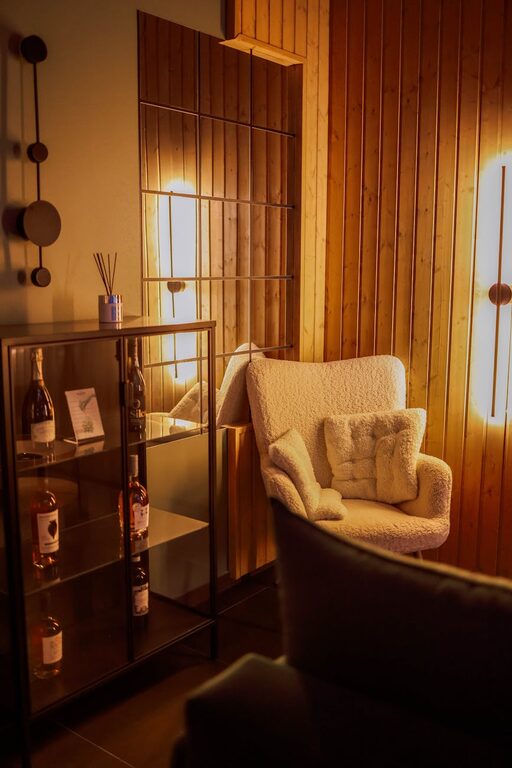
Creating a cosy and inviting living room is a wonderful way to make your home feel warm, welcoming, and restful. Whether you want a space for relaxing alone or entertaining guests, a well-designed living room can set the perfect tone. Here, we share practical tips and ideas that anyone can implement to craft a comfortable and attractive atmosphere.
Choose Warm, Soothing Colours
The colours you select for your living room play a major role in the overall ambiance. Warm, neutral shades such as soft beiges, creams, warm greys, or gentle taupes create a cosy backdrop that soothes the eye.
Colour Tips:
– Use warm tones on walls and large pieces like sofas and rugs.
– Accent with richer colours such as burnt orange, warm reds, or deep greens in cushions and throws.
– Avoid overly bright or cold shades, which can feel stark and unwelcoming.
Layer Your Lighting
Lighting can make or break the feel of a room. For a cosy living room, natural light is best during the day, but you will rely on layered lighting in the evenings to create a warm glow.
How to Layer Lighting:
– Combine ambient lighting (ceiling lights or well-placed wall lamps) with task lighting (reading lamps) and accent lighting (candles, fairy lights, or LED strips).
– Use lampshades that diffuse light softly.
– Consider dimmers to adjust brightness depending on mood.
Furnish for Comfort and Connection
Comfortable furniture is essential in a cosy space. Opt for plush sofas and armchairs with plenty of cushions and soft upholstery. Arrange seating to encourage conversation and interaction.
Seating Suggestions:
– Position chairs and sofas facing each other or at angles to promote eye contact.
– Include a mix of soft armchairs and a large sofa for varying comfort options.
– Add a soft rug to anchor the space and provide warmth underfoot.
Add Texture with Soft Furnishings
Textures add depth and interest to a room and contribute hugely to a cosy feeling. Mixing different fabrics and materials creates visual and tactile appeal.
Texture Ideas:
– Use knitted or woven throws and cushions.
– Incorporate velvet or suede cushions for softness.
– Introduce natural elements like a wool rug or linen curtains.
– Consider a mix of hard and soft surfaces, such as wooden furniture with plush upholstery.
Personal Touches and Decorations
A living room should reflect your personality. Personal touches make the space feel lived-in and inviting.
Ways to Add Personal Flair:
– Display favourite books or treasured items on shelves.
– Hang artwork or photos that have meaning to you.
– Add indoor plants to bring life and freshness.
– Use decorative bowls, vases, or candles as finishing touches.
Keep Clutter to a Minimum
While a cosy room feels warm and inviting, clutter can create stress and a sense of chaos. Maintain an organised space for the best ambience.
Decluttering Tips:
– Use stylish storage solutions like baskets or ottomans with storage.
– Regularly tidy surfaces such as coffee tables and shelves.
– Create designated spots for frequently used items to avoid mess.
Incorporate Scent and Sound
Engaging the senses beyond sight and touch enhances the inviting atmosphere.
Sensory Additions:
– Use scented candles or essential oil diffusers with calming fragrances such as lavender, vanilla, or sandalwood.
– Play soft background music suited to your mood or occasion.
– Consider a gentle water feature or the crackle of a fireplace if you have one.
Final Thoughts
Creating a cosy and inviting living room is about blending comfort, warmth, and personal style. It doesn’t require a complete overhaul—small changes and thoughtful details can transform your space into a welcoming haven. Start with colours and lighting, layer in textures and furnishings, and finish with your own personality. Your perfect cosy living room awaits!